Jump to the guide text
18+ 18+ only · Check local law and stake spare money only Fresh guide

On the board tonight

Know the game before you play

Plain guides to online slots, casino tables and betting prices for readers over 18, from volatility and payout rates to Capsa Susun, with the cost of every game kept in view.

Gambling, card game and dice
25
articles
5
topics
4
min average read

Lead guide Casino Games

Why Volatility Isn’t Scary: Picking Online Slots That Match Your Mood

  • Published
  • Reading 2 min
  • Guide no. 1/25
Las vegas, night and lights

Volatility sounds like a warning label, but on a slot it is closer to a description of personality. It tells you how a game spreads its payouts: lots of small returns, a balanced mix, or long quiet spells broken by occasional large features. Once that is clear, choosing a slot becomes less about luck and more about picking the kind of evening you want.

Volatility in plain words

Every slot pays back a share of stakes over the long run, but the path it takes can look very different. A low-volatility game pays modest amounts often, so a balance tends to drift gently. A high-volatility game pays less often, with the possibility of bigger wins when features land, so a balance can swing sharply in both directions. Medium volatility sits between the two. None of these styles alters the operator's margin; only the rhythm differs.

Plenty of lobbies make it easy to explore those styles side by side. Players who sign in through aw8 login will find a wide spread of slots, which makes it simple to try a calmer title one night and a more dramatic one the next.

Matching the game to the moment

Your moodStyle that tends to fitWhat to expect
Winding down after workLow volatilityFrequent small hits, gentle pace, longer playing time.
Curious about featuresMedium volatilityA mix of regular returns and occasional bonus rounds.
In the mood for suspenseHigh volatilityQuiet stretches, rare big moments, faster balance swings.
Short on timeLow or mediumLess chance of the session ending abruptly.

Sizing the session to the style

The same budget behaves differently depending on volatility. On a calm game, a smaller balance can last a good while. On a high-volatility game, that same amount may run out before a single feature appears. A practical approach is to lower the stake per spin when choosing a more volatile title, so the session has room to breathe.

  • Decide the total you are happy to spend before opening any game.
  • Pick the volatility that fits your mood, then choose a stake that fits the volatility.
  • Put a clock on the session too, because suspenseful games can make minutes vanish.

Where to find the rating

Most studios describe volatility in the game's info screen, sometimes as a word and sometimes as a scale of icons. If it is missing, the paytable offers clues: very large top prizes and hard-to-trigger features usually point towards the higher end. Demo modes, where available, give a feel for the rhythm without spending anything.

Keeping the experience light

Whatever the style, outcomes are random and the operator holds an edge over time, so no choice of volatility turns slots into a way to make money. Slots are strictly for over-18s; keep spending to money set aside for fun, and look up the local rules on online casinos before you start. Approached that way, volatility stops being intimidating and becomes simply a menu of moods to pick from.

Lead guide Money Habits

Cutting the Cord in Canada: A Household Decision Worksheet

  • Published
  • Reading 5 min
  • Guide no. 23/25
Ai generated, luxury and house

A television package is one of those bills that renews quietly. It arrives every month, it rises a little every year or two, and few households sit down to ask whether the channels on the list still match what gets watched in the living room. Cancelling can save money, but done in a hurry it can also leave someone without the one thing they cared about, or trigger a fee that eats the first few months of savings. The worksheet below turns the decision into a series of small, honest questions, the same way you might review any other recurring cost.

Step one: write down what the household actually watches

Start with a week of plain notes rather than memory. Put a sheet of paper next to the remote, or a shared note on a phone, and have everyone jot down what they watched and on which channel. Memory tends to favour the shows people like to talk about, while a list captures the morning news, the cooking channel left on in the background and the kids' cartoons.

At the end of the week, group the entries into three piles:

  • Must keep: programmes someone would genuinely miss, such as a weekly series, a local newscast or a particular sport.
  • Nice to have: things watched because they were there, not because anyone sought them out.
  • Never touched: channels in the package that nobody opened all week.

The size of the last pile is often the most useful number on the sheet. It shows how much of the package is being paid for without being used.

Step two: give sport its own line

Sport is usually the hardest part of the decision, because games are live, rights are split between broadcasters and the schedule changes through the year. In Canada, national NHL games sit mainly with Sportsnet, including Hockey Night in Canada on Saturdays, while TSN, RDS and TVA Sports carry other leagues, regional games and French-language coverage. A household that follows one team closely may need a different setup from one that just catches the playoffs.

List each sport and team someone follows, the months it matters and roughly how many games a week they watch. A fan who watches every regular-season game has a very different need from someone who tunes in for the Grey Cup in November and the Stanley Cup final in June.

Step three: check the connection you would be relying on

Without a cable box or a dish, everything arrives over the internet, so the home connection becomes the foundation. Before deciding anything, look at the plan you already pay for: its speed, whether it has a monthly data cap and how many people stream, game or work from home at the same time. Run a few speed tests at the busy evening hour, not just in the middle of the afternoon.

If the connection struggles when two people stream at once, an upgrade might be needed, and that cost belongs on the worksheet too. Sometimes the saving from dropping TV is partly spent on a faster internet plan, which can still be worth it, but only if you know the real figure.

Step four: read the contract and the bundle

Many households take TV, internet and sometimes a phone line from the same provider, with a discount for keeping them together. Removing the TV portion can change the price of what remains. Find the most recent bill and the agreement, and answer these questions before calling anyone:

  1. Is there a fixed term, and when does it end?
  2. Is there a fee for cancelling early, and how is it calculated?
  3. Does the internet price go up if TV is removed from the bundle?
  4. Is any equipment rented, and does it need to be returned by a certain date?
  5. When does the billing cycle close, so you do not pay for a month you will not use?

Writing the answers down keeps the phone call short and stops a retention offer from steering the conversation before you know your own numbers.

Step five: map out how the channels would reach the screen

With the must-keep list and the sports line in front of you, look at the ways those programmes could reach the television instead. For many households that means a mix: a broadcaster's own app for one league, an on-demand service for series, and perhaps an internet-delivered channel package that bundles live news and sport into a guide that feels close to the old setup. Some Canadian families who want that familiar channel-guide feel compare services such as topshelfiptv.ca, alongside the other options on their list, before they settle on a combination.

Whatever you consider, check what a service actually carries and read its terms before you subscribe. Confirm that it works on the devices you already own, how many screens can be used at once and how easy it is to stop if it does not suit you. A short trial month, if available, is a cheap way to test a plan against a real week of viewing.

Step six: put the numbers side by side

Now fill in a simple comparison. Keep it to monthly figures so every line is easy to read.

Line on the worksheetKeep the packageSwitch
TV or streaming cost per monthCurrent billSum of the new services
Internet planCurrent pricePrice without the bundle, plus any upgrade
EquipmentRental feesAny device you need to buy, spread over a year
One-off costsNoneEarly cancellation fee, if any
Must-keep shows covered?YesTick each one

The aim is not to find the cheapest column but the one that covers the must-keep list at a price the household is happy with. If the switch column only wins by a small amount and loses a favourite programme, staying put for another year is a perfectly sensible answer.

Step seven: pick a date and review after three months

If the numbers favour switching, choose a cancellation date that lines up with the end of the billing cycle or the contract term, and set the new services up a few days before so there is no gap on a big game night. Put a reminder in the calendar for three months later. At that point, look again at what is being watched, cancel anything that went unused and keep the habit of reviewing the bill once a year. Treated that way, the TV budget becomes like any other planned expense: chosen on purpose, checked now and then and easy to adjust.


Lead guide Betting Basics

Following the Raptors Through an 82-Game Season

  • Published
  • Reading 5 min
  • Guide no. 24/25
Basketball, game and team

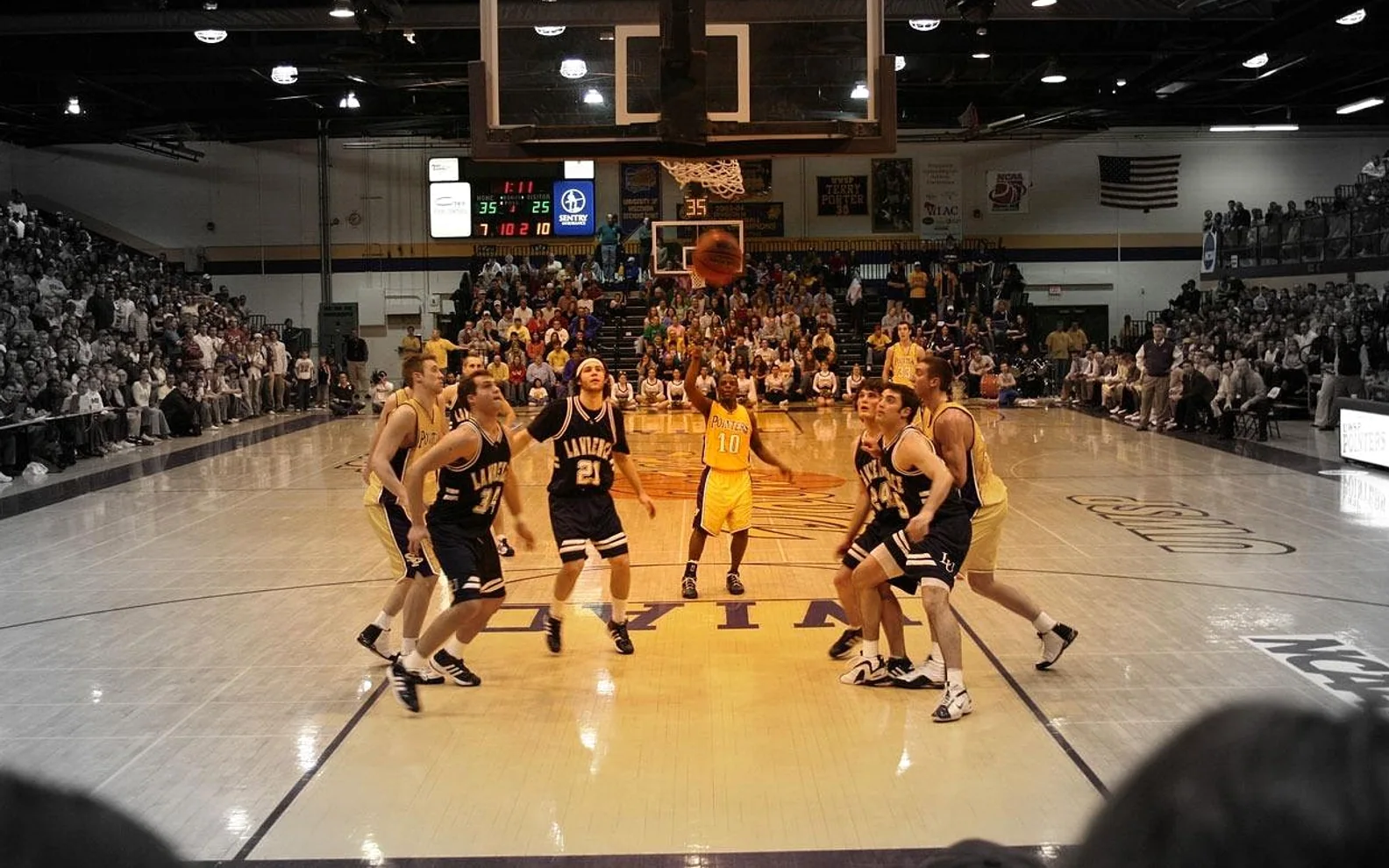
Basketball asks more of its fans than most sports. An NBA regular season is 82 games long, it starts in October and the last trophy is not lifted until June. Toronto is the only Canadian team in the league, so the whole country follows one club, from St. John's to Victoria, at hours that suit some viewers far better than others. Watching every minute is possible, but it is rarely the most enjoyable way to do it. A bit of planning keeps the season fun from opening night to the final buzzer.

The shape of the calendar

It helps to see the season as a few distinct phases rather than one long stretch. Each phase calls for a different level of attention.

PhaseRough timingWhat matters
Opening weeksLate October to NovemberNew signings, rotations, early impressions
Winter grindDecember to JanuaryRoad trips, injuries, the standings taking shape
Deadline and breakFebruaryTrades, the All-Star weekend, a short pause
Run-inMarch to mid-AprilSeeding, the play-in places, rest decisions
Post-seasonMid-April to JuneBest-of-seven series, every game counts

Exact dates move from year to year, so check the league's published schedule each autumn and mark the phases on a calendar of your own.

Opening weeks: watch more, judge less

The first month is when it is worth catching as many games as you can. Coaches are still trying lineups, younger players are finding their roles, and the team that ends the season may look quite different from the one that starts it. Treat early results as information rather than a verdict. A slow start after a busy summer of changes is common, and so is a hot streak that cools by Christmas.

Back-to-backs and the winter grind

A back-to-back means two games on consecutive nights, often with travel in between. Every team plays a number of them each season, and they are where tired legs, short benches and surprising results tend to show up. When you see one on the schedule, it is a fair guess that minutes will be managed and that the second night may look a little flat.

For a viewer, back-to-backs are also a natural place to skip a game without guilt. Watch one night live and catch the highlights of the other the next morning. Through December and January, when the team spends long stretches on the road, a simple rhythm of two or three live games a week is plenty to stay connected to the story.

Time zones from coast to coast

Home games in Toronto usually tip off in the evening, Eastern time. That suits Ontario and Quebec, but the same game starts at a very different moment elsewhere in the country.

  • Atlantic Canada: an hour later than Toronto, so late games push towards midnight.
  • Newfoundland: an hour and a half later, thanks to the half-hour offset, which makes west-coast road games a real late-night commitment.
  • The Prairies: one or two hours earlier, depending on the province and the time of year, so most tip-offs land around dinner.
  • British Columbia: three hours earlier, which can mean a home game starts before many people have left work.

Knowing where you sit on that map helps you decide which games to watch live and which to save for later.

Getting the games on screen

Raptors broadcasts in Canada have long been shared between Sportsnet and TSN, with national NBA games and the playoffs carried as well. Which channel has a particular night changes during the season, so it is worth checking the listing a few hours ahead rather than assuming. Households that no longer keep a traditional TV package often look at internet-delivered channel services that bring sports networks into a single guide; people searching for iptv canada options tend to compare what each one includes, how the guide is organised and how many devices it supports. Check what a service actually carries and read its terms before you subscribe, and test it on a quiet weeknight before a big playoff game.

A few practical habits help whatever the setup: a wired connection or a strong Wi-Fi signal near the television, notifications turned off during the fourth quarter so nobody spoils the finish, and a highlights playlist for the nights you do not watch live.

Avoiding burnout in March

By March the novelty has worn off and the standings may already be fairly clear. This is when fans most often drift away or, the opposite, get so wrapped up in every result that the season stops being fun. A few ideas keep it in proportion:

  1. Pick one or two games a week that genuinely matter for seeding and give those your full attention.
  2. Follow a single storyline, such as a young player's development, instead of every box score.
  3. Keep a short note of results and moments; reading back over it before the playoffs is surprisingly satisfying.

Some fans also like to add a small prediction or a friendly wager to big nights. If that is part of how you watch, keep stakes small and fixed, treat it as entertainment rather than income, and remember that betting rules differ by province, so check what applies where you live.

The post-season

If Toronto finishes high enough, the reward is a best-of-seven series where games come every other night or so and each one carries real weight. Teams finishing just outside the top six in the conference go through the play-in tournament first, which adds a few tense single games in mid-April. This is the stretch worth clearing evenings for, since playoff basketball rewards watching full games, not just highlights.

And if the season ends early, the calendar still has more to offer: the draft lottery, the draft itself in late June and the start of free agency soon after. A fan who paces the winter sensibly arrives at those moments with energy to spare and a clear picture of what the next season might bring.

Lead guide Card Tables

Hwatu and Go-Stop: Korea's Flower Card Game Explained

  • Published
  • Reading 5 min
  • Guide no. 25/25
Card game, cards and player

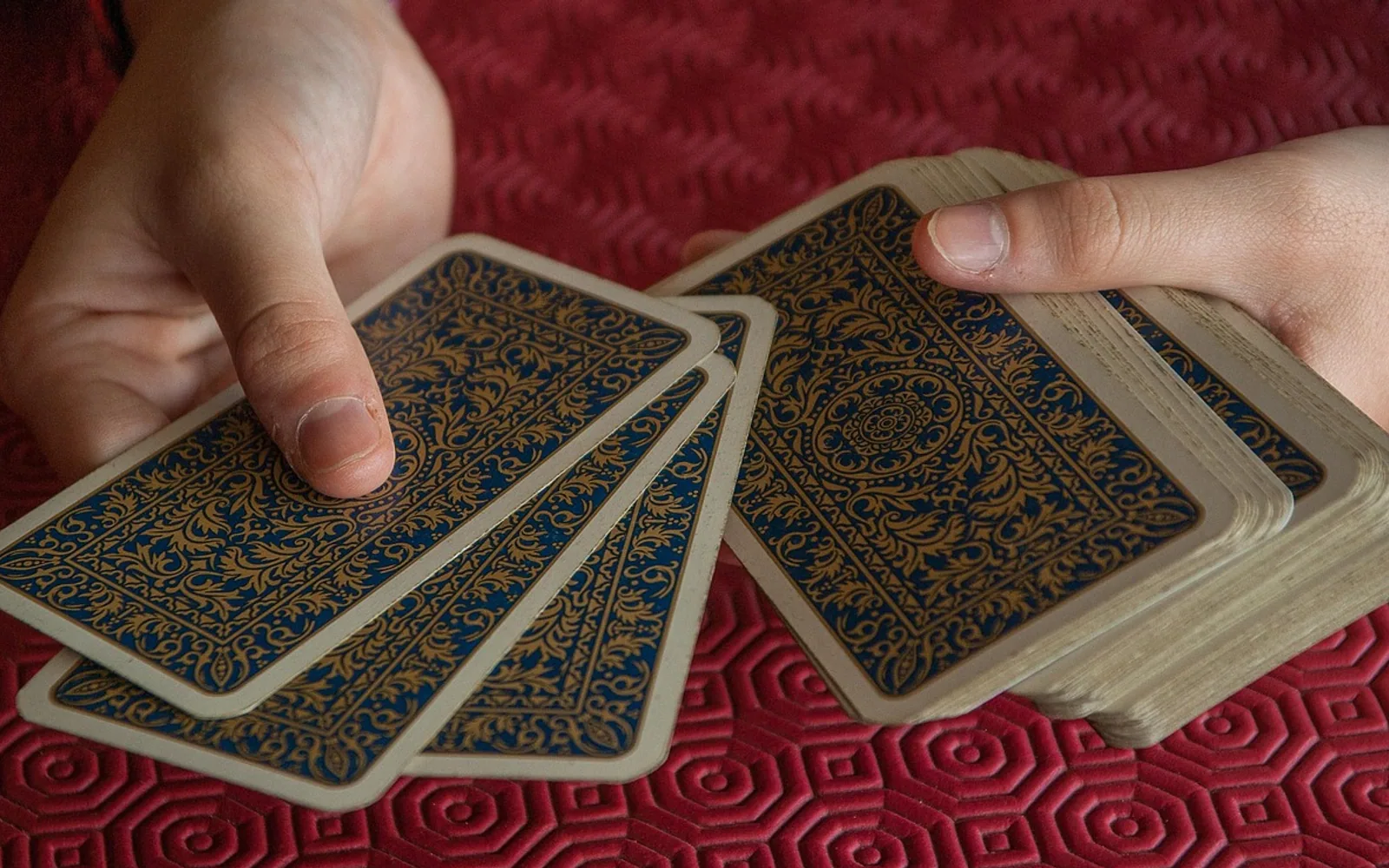
Go-Stop is a matching game played with hwatu, a deck of 48 small, stiff cards illustrated with flowers, plants and animals for each month of the year. Players match cards from their hand with cards on the table, collect sets that score points, and whoever reaches the target first faces the decision that names the game: call "go" and keep playing for more, or call "stop" and take the win. It is quick to learn, easy to play with three people, and a fixture at Korean family gatherings.

Where the cards come from

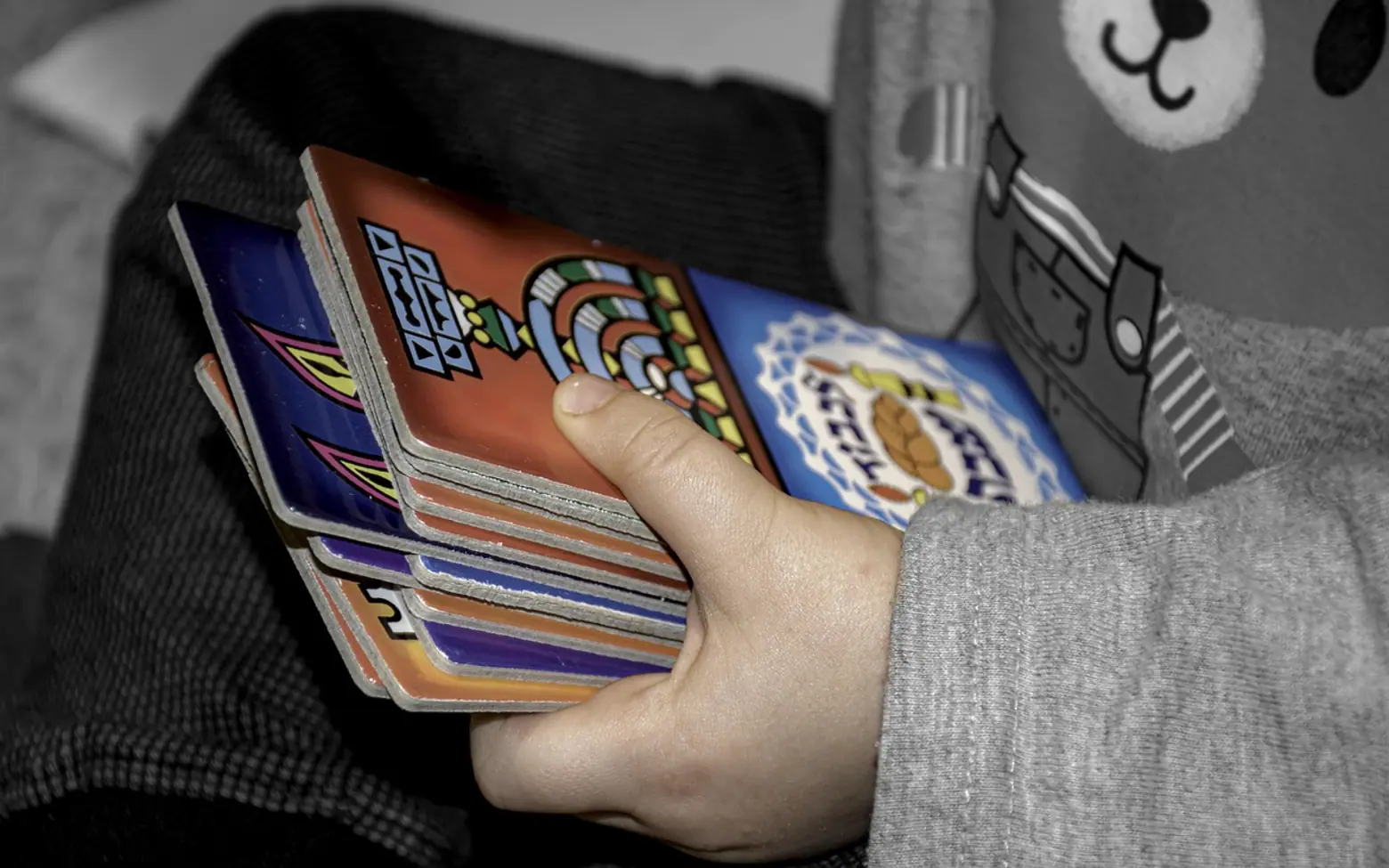
The flower cards reached Korea from Japan, where a similar deck is known as hanafuda, and became widely played during the twentieth century. Over time Korean players developed their own scoring and their own game, and today the red-backed hwatu deck is instantly recognisable in Korea. Packs are sold cheaply, and many households keep one in a drawer next to a padded blanket used as a playing surface, since the thick cards are slapped down hard when a match is made.

The 48-card deck

The deck is split into twelve suits of four cards, one suit per month. Each month has its own plant or symbol: pine for January, plum blossom for February, cherry blossom for March, and so on through to paulownia in December. Within each month the four cards are not equal. Every card belongs to one of four types, and those types decide what it is worth.

Card typeKorean nameWhat to look forRole in scoring
BrightsgwangCards marked with a small character in a circle; only five in the deckThe most valuable sets, built from three or more
Animalsyeol / kkeutBirds, deer, boar and other creaturesScore once you hold several; some special trios add more
Ribbonstti / danA coloured strip of paper across the plantScore in quantity; red, blue and plain ribbon sets carry bonuses
JunkpiPlain cards with only the plantLow value each, but a large pile adds up

Some decks also include a few bonus cards that count as extra junk. Whether they are used is one of many house decisions.

How a round of Go-Stop flows

The standard game is for three players, though two-player versions exist. After shuffling, the dealer gives each player a hand, lays several cards face up in the middle and leaves the rest as a face-down draw pile. Play then moves around the table.

  1. Play a card from your hand. If it shows the same month as a card on the table, it captures that card. If not, it stays on the table.
  2. Flip the top card of the draw pile. It can also capture a matching card on the table, or it simply joins the layout.
  3. Collect your captures. Captured cards go face up in front of you, sorted by type so everyone can see your progress.
  4. Check your score. Once your captured sets reach the agreed minimum, often a small handful of points, you must decide whether to go or stop.

There are special situations too. When three cards of one month end up stacked together, the player who later captures all of them may take a junk card from each opponent. Matching a card that someone just failed to use, or clearing the whole table, often brings similar rewards. These small swaps keep everyone involved even when one player is ahead.

Go or stop?

The heart of the game is the choice that comes with every new scoring point. Stopping ends the hand and pays out your current score. Going means play continues, and if you score again your total grows, with each successive "go" usually increasing the payout further. The catch: if an opponent reaches a score before you add to yours, the gamble backfires, and in many house rules the player who went is penalised heavily for it.

That tension is why Go-Stop is talked about as much as it is played. A cautious player stops early and collects small wins; a bold one keeps going and either gets a big hand or hands the round to someone else. Reading what your opponents have captured, and which months are still out, is the real skill.

Are the rules the same everywhere?

No. Scoring minimums, bonus cards, penalties for a failed go and the value of certain sets all vary between regions and even between families. The safest approach at a new table is to ask how the house plays before the first deal, the same advice that applies to other regional games such as Pusoy Dos in the Philippines.

A holiday game

Go-Stop is closely tied to Seollal, the Lunar New Year, and Chuseok, the autumn harvest festival, when relatives gather for several days and the deck comes out after the meal. Many families play for points kept on paper, or for tiny coins and snacks, mainly for the noise and conversation. Like other games built around a shared table, from Capsa Susun's thirteen-card hands to a round of rummy, it gives grandparents and teenagers something to do together.

A short note on stakes: the game is meant to be fun. If money changes hands, keep it to adults, keep amounts trivial, and check what the law allows where you live, since gambling rules differ widely between countries.

Why it feels like a night of karaoke

In Korean social life, Go-Stop shares a lot with another group pastime: the noraebang, or karaoke room. Both are played among people who already know each other, both reward a bit of showmanship, and neither depends on being especially good at it. Friends who have spent an evening around the hwatu blanket often finish by booking a private karaoke room for an hour of singing. Visitors curious about that side of an evening out in Seoul can read up on Gangnam Karaoke in Seoul for an idea of how private rooms there are usually arranged.

Getting started

  • Learn the twelve months first; matching becomes quick once the plants are familiar.
  • Sort your captures by type as you go so the score is easy to check.
  • Agree on the minimum score and the penalty for a failed go before dealing.
  • Start with points on paper until the scoring feels natural.

A few rounds are usually enough to see why the deck has lasted: the cards are pretty, the rules fit on one page, and the final call between going and stopping makes every hand a small piece of theatre.

Guides by month

10 guides

Counted from the layout

What wheels and dice keep on each bet

Every bar below comes straight from counting pockets on a wheel or faces on dice and comparing that count with the payout printed on the layout. Change the payout and the figure changes with it.

  • Red or black on a one-zero wheel2.7%
    18 winning pockets out of 37, paid at even money.
  • Sic bo Big, paid at even money2.78%
    Three dice give 216 combinations; Big wins on 105 of them because every triple loses.
  • Red or black on a zero and double-zero wheel5.26%
    18 winning pockets out of 38, with the same even-money payout.
  • Five-number bet (0, 00, 1, 2, 3) at 6 to 17.89%
    Only possible on the 38-pocket wheel: 5 pockets cover the bet, 33 do not.
  • Two dice totalling 12, paid at 30 to 113.89%
    Double six is 1 of 36 combinations, while a fair price would be 35 to 1.
  • Sic bo specific triple, paid at 180 to 116.2%
    One combination in 216; many tables pay less, which pushes the figure higher.

These are long-run averages fixed by the rules, not forecasts for a session. Slots are not listed because each title sets its own return; check the game's help screen instead.

How the sections compare

  1. Card Tables
    Guides
    7
    Total reading minutes
    30
    Newest
  2. Betting Basics
    Guides
    6
    Total reading minutes
    24
    Newest
  3. Money Habits
    Guides
    6
    Total reading minutes
    23
    Newest
  4. Casino Games
    Guides
    4
    Total reading minutes
    12
    Newest
  5. Online Gambling
    Guides
    2
    Total reading minutes
    4
    Newest

Section line-up

Evening pacer

Pace a fixed amount across the hours you play

Type in the money you have put aside for tonight and how long you mean to play. The pacer shows how much that allows per hour, so you can tell at a glance whether the plan holds up.

Allowance per hour: –

Walk away once you reach: –

A pacing aid only: it cannot predict results, which swing both ways. Enter nothing you could not lose in full without it hurting.

From the early archive

  • Winning Mindsets: How Games Like Satta King Inspire Smart Play and Confidence

    Number games such as Satta King have a long and colourful history in India, and they come with a whole culture of discussion: past results, favourite numbers, debates about what the next…

    Winning Mindsets: How Games Like Satta King Inspire Smart Play and Confidence
  • Sweepstakes Casinos: The Perfect Blend of Play and Prizes

    Sweepstakes casinos borrow the look of an online casino, with slot lobbies, table games and colourful promotions, but they run on a different legal and practical model. Instead of staking cash directly…

    Sweepstakes Casinos: The Perfect Blend of Play and Prizes
  • The Factors Driving the Popularity of Online Football Betting Platforms in Vietnam

    Talk to football fans in Vietnam and the conversation moves quickly from last night's result to next weekend's fixtures, the national team's prospects and which European club has the best midfield. That…

    The Factors Driving the Popularity of Online Football Betting Platforms in Vietnam
  • Three Card Poker Rules: Ante, Play and Pair Plus

    Three cards each, one decision and a dealer who has to qualify. This guide walks through the Ante, Play and Pair Plus bets, the unusual hand order and the questions worth asking before you sit down.

    Three Card Poker Rules: Ante, Play and Pair Plus

Before you put real money on the table

Everything here about gambling is written for adults who are 18 or older. Every casino game costs its players over time, so plan for it the way you would plan for a concert ticket.

  • Fix tonight's amount before you open any game
  • Pick a finishing time and stick to it
  • Keep play money apart from rent and bills
  • Stop if you notice you are chasing a loss
  • Make sure play is allowed where you live

Limits, warning signs and support