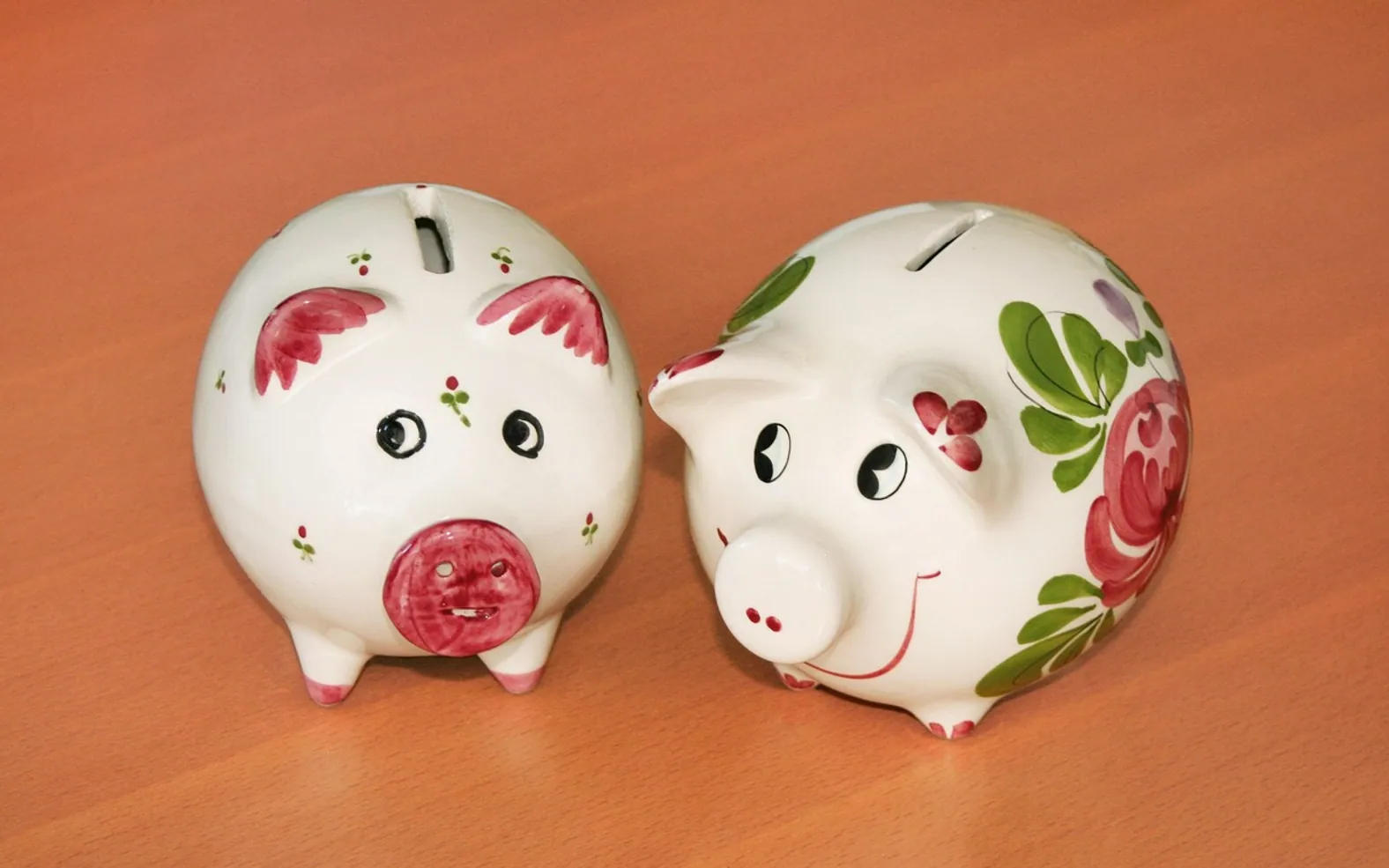
Most people try to save whatever remains at the end of the month, and most months very little remains. Pay yourself first flips that order. As soon as income lands, a set amount moves into savings, and the rest of the month's spending is planned around what is left. Saving becomes the first commitment rather than an afterthought.
Why the order makes such a difference
Money sitting in an everyday account tends to get spent, not through recklessness but because it is visible and easy to reach. Small purchases fill the space available. Taking the savings out first shrinks that space before the month starts, so day-to-day decisions are made with a smaller, more realistic balance. The amount saved is decided once, calmly, instead of being renegotiated every week.
Setting it up in five steps
- Pick the date. Use the day your pay or main income arrives, or the day after if timing is uncertain.
- Choose an amount you could keep up in a tight month. A smaller figure that never gets skipped beats a larger one that is cancelled after two months.
- Open a separate account for it. Keeping savings apart from spending money makes it less tempting to dip in.
- Automate the transfer. A standing order or scheduled transfer removes the need to remember, and removes the moment of hesitation too.
- Review every few months. When income rises or a debt is cleared, increase the transfer before lifestyle spending absorbs the difference.
What a month can look like
Picture take-home pay of 2,000 arriving on the first of the month. On the same day, 150 moves to a savings account and 50 into a fund for the yearly car service. The remaining 1,800 covers rent, bills and groceries first, and whatever is left after those becomes the room for everything else. Nothing about everyday spending has changed except the starting figure, which now already allows for the future. Some employers can also split pay between two accounts, so the saving happens before the money is ever visible in the main one.
Ways to choose the amount
There is no universal right figure. What matters is that it is sustainable. Four common approaches:
| Approach | How it works | Suits |
|---|---|---|
| Fixed amount | The same sum every payday | Steady salaries and simple budgets |
| Percentage | A set share of each payment received | Irregular or freelance income |
| Step-up | Start small and raise the amount at set intervals | Anyone unsure what they can manage |
| Raise-matching | Part of every pay rise goes straight to savings | People whose current budget is already tight |
Where the money should go
Paying yourself first works best when each transfer has a job. A common order of priorities looks like this:
- An emergency buffer for unexpected costs such as a broken appliance or a gap in income.
- Known future costs, held in sinking funds for things like insurance renewals or holidays.
- Longer-term goals, such as a deposit or retirement, where the right product depends on personal circumstances.
If you carry expensive debt, the balance between saving and repaying is a judgement call that depends on interest rates, fees and how secure your income is. A qualified financial adviser or a free money-advice service can help you weigh it up.
How it fits with the rest of the budget
Once savings have gone out, the remaining money covers essentials and then everything else. Sorting that remainder into needs and wants shows how much room there is for leisure. Some people add a second automatic transfer on payday into a small fun account, so that entertainment has a fixed ceiling as well. Others prefer to withdraw that amount as cash, as in cash stuffing.
Common early problems and how to fix them
The transfer pushes the account into overdraft
The amount is too high for now, or the timing is off. Lower it, or move the date to a day or two after income clears. A smaller figure that works is better than a bigger one that causes fees.
I keep moving money back out
Make the savings harder to reach. An account at a different bank, one without a card, or one that takes a day or two to release funds adds useful friction.
My income changes every month
Use a percentage of each payment rather than a fixed sum, and transfer it the same day the money arrives.
Is it selfish to save before paying bills?
No. Bills still get paid; the plan simply sets the savings amount at a level that leaves enough for them. If it does not, the amount needs adjusting.
If part of what remains goes on gambling, keep that strictly to adults-only play where it is lawful, and fund it only from money that is left after savings and essentials have been covered.
Don’t miss these
 Online GamblingThe Factors Driving the Popularity of Online Football Betting Platforms in Vietnam2 min
 Money HabitsNeeds vs Wants: Sorting Spending Into Two Honest Piles4 min
 Card TablesBlackjack Insurance: Why the Side Bet Rarely Adds Up4 min
 Card TablesLet It Ride Poker: Three Bets, Two Chances to Pull Back4 min