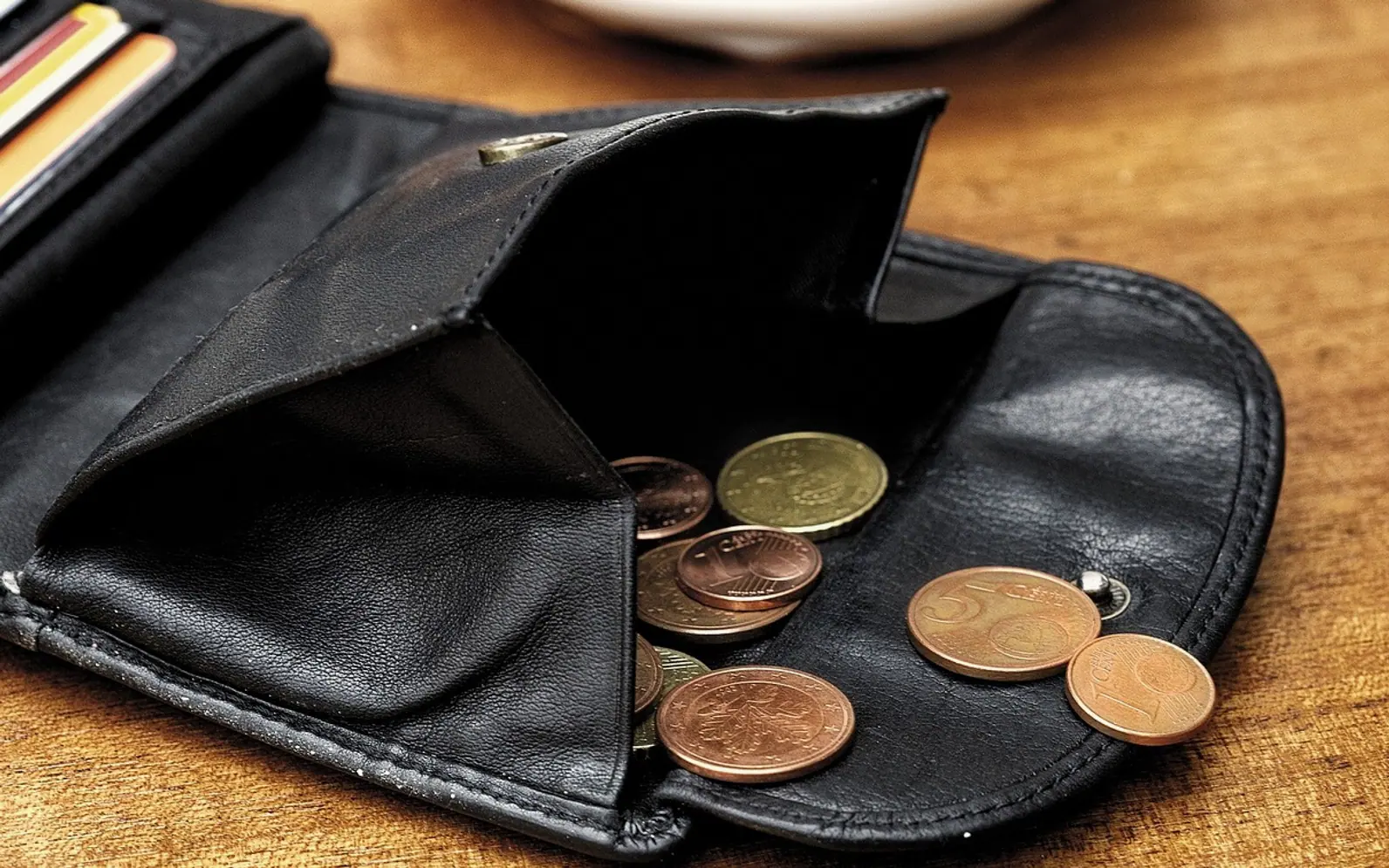
Cash stuffing is the newer name for an old idea, the cash envelope method. On payday you withdraw the money for your flexible spending categories, divide it into labelled envelopes and pay for each category only from its own envelope. When one runs out, spending in that area stops until the next payday. The method works because it turns a number on a screen into something you can see getting thinner.
How to set it up
- List your flexible categories. These are costs that vary month to month and are paid in person: groceries, eating out, personal care, small gifts, entertainment.
- Set an amount for each. Look at what you actually spent over the last two or three months, then decide what you want to spend. The second figure is the one that goes in the envelope.
- Withdraw the total on payday. One withdrawal keeps fees down and makes the process a routine.
- Fill and label the envelopes. Write the category and the starting amount on the front.
- Spend from the right envelope only. Take the grocery envelope to the supermarket, and leave the others at home.
- Close the period. At the end of the pay cycle, decide what happens to any leftover cash: roll it over, or move it into savings.
Which costs suit envelopes
| Good fit for cash | Better left as bank payments |
|---|---|
| Groceries and household basics | Rent or mortgage |
| Eating out and coffee | Utilities and phone bills |
| Personal care and haircuts | Insurance premiums |
| Gifts and celebrations | Loan and card repayments |
| Entertainment and nights out | Subscriptions and anything bought online |
Fixed bills are already predictable, so putting them in envelopes adds risk without adding control. The method earns its keep on the categories that tend to drift.
Why paper money changes behaviour
Paying by card or phone takes a second and leaves no physical trace. Handing over notes and watching the envelope empty creates a small pause, and that pause is often enough to rethink an extra purchase. There is also a firm limit: an envelope cannot go overdrawn. When it is empty, the decision has already been made. The same idea of building a pause into spending sits behind the 24-hour rule.
The drawbacks to weigh
- Safety. Cash can be lost or stolen and is rarely replaced. Keep envelopes somewhere secure and carry only the one you need.
- No interest. Money in an envelope earns nothing, so keep only the current period's spending in cash.
- Online spending. Many purchases simply cannot be paid in cash.
- Withdrawal fees. Some machines and accounts charge for withdrawals; one planned trip per payday helps.
- Cash is not taken everywhere. Some shops and transport systems now accept only cards or phones.
Digital envelopes
If carrying cash is impractical, the same discipline can be recreated digitally. Many banks let you split one account into named sub-accounts or pots. Budgeting apps can assign each pound, dollar or ringgit to a category and show what remains. A prepaid card loaded with a fixed amount works like a single envelope for one category. The principle stays the same: a set amount per category, and spending stops when it is gone.
Envelopes for future costs and for fun
Envelopes are not only for this month. Some people keep a few for costs that arrive once or twice a year, such as school supplies or a festival trip, adding a little each payday. That is a cash version of sinking funds. The savings themselves are best moved out before any envelopes are filled, which is the idea behind paying yourself first.
An entertainment envelope also makes a clear ceiling for nights out, including any gaming. Taking only that envelope and leaving cards at home keeps the evening's spending to the amount you chose while you were calm.
Small habits that keep it working
- Use round amounts so envelopes are easy to fill and count.
- Keep receipts inside each envelope for the first few months to see where money really goes.
- Do not borrow from one envelope to top up another without writing it down.
- Review the amounts after three pay cycles; the first guesses are rarely right.
Can couples use cash stuffing?
Yes. Shared costs such as groceries go in a joint envelope, while each person keeps a small personal envelope for their own spending, which heads off arguments about minor purchases. Agree on the amounts together and review them on the same day each month.
A gentle reminder for readers who play: gambling is for adults only and only where local rules permit it, and the money for it should come from the entertainment envelope, never from the grocery one.
Don’t miss these
 Online GamblingThe Factors Driving the Popularity of Online Football Betting Platforms in Vietnam2 min
 Money HabitsNeeds vs Wants: Sorting Spending Into Two Honest Piles4 min
 Card TablesBlackjack Insurance: Why the Side Bet Rarely Adds Up4 min
 Card TablesLet It Ride Poker: Three Bets, Two Chances to Pull Back4 min