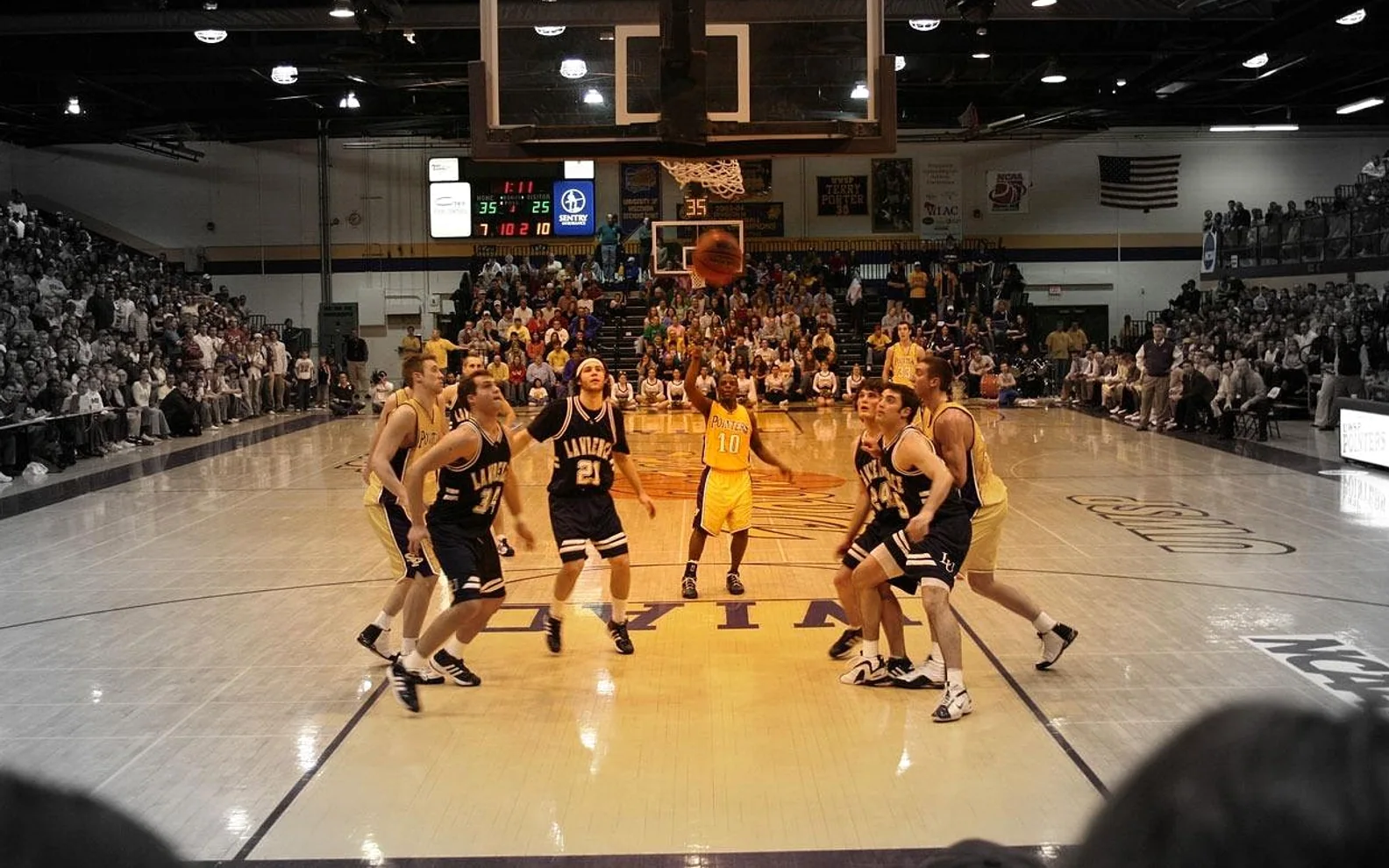
Basketball asks more of its fans than most sports. An NBA regular season is 82 games long, it starts in October and the last trophy is not lifted until June. Toronto is the only Canadian team in the league, so the whole country follows one club, from St. John's to Victoria, at hours that suit some viewers far better than others. Watching every minute is possible, but it is rarely the most enjoyable way to do it. A bit of planning keeps the season fun from opening night to the final buzzer.
The shape of the calendar
It helps to see the season as a few distinct phases rather than one long stretch. Each phase calls for a different level of attention.
| Phase | Rough timing | What matters |
|---|---|---|
| Opening weeks | Late October to November | New signings, rotations, early impressions |
| Winter grind | December to January | Road trips, injuries, the standings taking shape |
| Deadline and break | February | Trades, the All-Star weekend, a short pause |
| Run-in | March to mid-April | Seeding, the play-in places, rest decisions |
| Post-season | Mid-April to June | Best-of-seven series, every game counts |
Exact dates move from year to year, so check the league's published schedule each autumn and mark the phases on a calendar of your own.
Opening weeks: watch more, judge less
The first month is when it is worth catching as many games as you can. Coaches are still trying lineups, younger players are finding their roles, and the team that ends the season may look quite different from the one that starts it. Treat early results as information rather than a verdict. A slow start after a busy summer of changes is common, and so is a hot streak that cools by Christmas.
Back-to-backs and the winter grind
A back-to-back means two games on consecutive nights, often with travel in between. Every team plays a number of them each season, and they are where tired legs, short benches and surprising results tend to show up. When you see one on the schedule, it is a fair guess that minutes will be managed and that the second night may look a little flat.
For a viewer, back-to-backs are also a natural place to skip a game without guilt. Watch one night live and catch the highlights of the other the next morning. Through December and January, when the team spends long stretches on the road, a simple rhythm of two or three live games a week is plenty to stay connected to the story.
Time zones from coast to coast
Home games in Toronto usually tip off in the evening, Eastern time. That suits Ontario and Quebec, but the same game starts at a very different moment elsewhere in the country.
- Atlantic Canada: an hour later than Toronto, so late games push towards midnight.
- Newfoundland: an hour and a half later, thanks to the half-hour offset, which makes west-coast road games a real late-night commitment.
- The Prairies: one or two hours earlier, depending on the province and the time of year, so most tip-offs land around dinner.
- British Columbia: three hours earlier, which can mean a home game starts before many people have left work.
Knowing where you sit on that map helps you decide which games to watch live and which to save for later.
Getting the games on screen
Raptors broadcasts in Canada have long been shared between Sportsnet and TSN, with national NBA games and the playoffs carried as well. Which channel has a particular night changes during the season, so it is worth checking the listing a few hours ahead rather than assuming. Households that no longer keep a traditional TV package often look at internet-delivered channel services that bring sports networks into a single guide; people searching for iptv canada options tend to compare what each one includes, how the guide is organised and how many devices it supports. Check what a service actually carries and read its terms before you subscribe, and test it on a quiet weeknight before a big playoff game.
A few practical habits help whatever the setup: a wired connection or a strong Wi-Fi signal near the television, notifications turned off during the fourth quarter so nobody spoils the finish, and a highlights playlist for the nights you do not watch live.
Avoiding burnout in March
By March the novelty has worn off and the standings may already be fairly clear. This is when fans most often drift away or, the opposite, get so wrapped up in every result that the season stops being fun. A few ideas keep it in proportion:
- Pick one or two games a week that genuinely matter for seeding and give those your full attention.
- Follow a single storyline, such as a young player's development, instead of every box score.
- Keep a short note of results and moments; reading back over it before the playoffs is surprisingly satisfying.
Some fans also like to add a small prediction or a friendly wager to big nights. If that is part of how you watch, keep stakes small and fixed, treat it as entertainment rather than income, and remember that betting rules differ by province, so check what applies where you live.
The post-season
If Toronto finishes high enough, the reward is a best-of-seven series where games come every other night or so and each one carries real weight. Teams finishing just outside the top six in the conference go through the play-in tournament first, which adds a few tense single games in mid-April. This is the stretch worth clearing evenings for, since playoff basketball rewards watching full games, not just highlights.
And if the season ends early, the calendar still has more to offer: the draft lottery, the draft itself in late June and the start of free agency soon after. A fan who paces the winter sensibly arrives at those moments with energy to spare and a clear picture of what the next season might bring.
Don’t miss these
 Online GamblingThe Factors Driving the Popularity of Online Football Betting Platforms in Vietnam2 min
 Money HabitsNeeds vs Wants: Sorting Spending Into Two Honest Piles4 min
 Card TablesBlackjack Insurance: Why the Side Bet Rarely Adds Up4 min
 Card TablesLet It Ride Poker: Three Bets, Two Chances to Pull Back4 min